
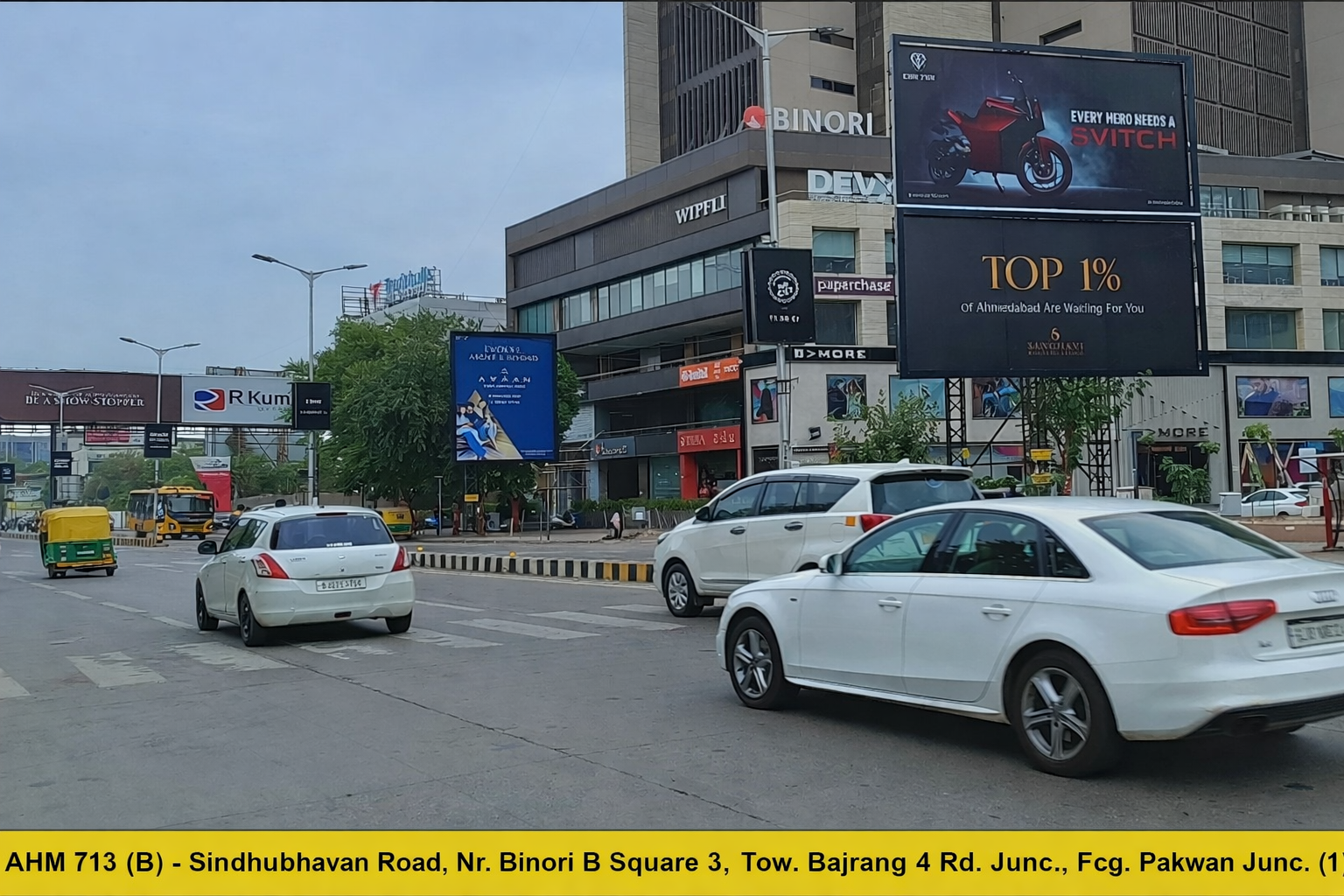
Start with broad visibility
Outdoor media such as hoardings, kiosks, gantries, and transit branding helps a brand stay visible in real-world movement zones. It creates familiarity before people even search online. That early recognition matters because people trust brands they have already seen multiple times.
For local and regional businesses, strong placements around business hubs, traffic corridors, and neighborhood routes can create repeat exposure very quickly.
Use digital to capture intent
Once outdoor builds recall, digital channels help convert that attention into measurable action. Search ads capture branded queries, social media reinforces the message, and landing pages explain the offer with more detail.
- Search ads help capture people already interested in your service.
- Social media retargeting keeps your brand visible after first exposure.
- Search Engine Optimization (SEO) and content support long-term discoverability.
Key takeaway
If outdoor media creates the first memory and digital creates the next action, both channels become stronger together than they are alone.
Keep the message consistent
The biggest planning mistake is changing the message too much across channels. A campaign works better when the same headline, visual mood, offer, and CTA travel from hoardings to digital ads to event touchpoints.
Consistency improves recall, reduces confusion, and makes the brand look more established.
Plan around business goals
Not every campaign needs the same mix. Brand launches may need higher outdoor reach, while lead generation campaigns often need stronger digital support. The right plan starts with the business goal, target geography, and audience movement patterns.
- Use outdoor-first planning when visibility and recall are the priority.
- Use digital-heavy follow-up when response and tracking are critical.
- Use events and activations when the brand needs deeper engagement.